In an era defined by rapid advancements in artificial intelligence (AI), the conversation surrounding its potential risks has gained traction. Sam Altman, CEO of OpenAI, emphasizes the importance of balancing these risks with the substantial benefits that AI can bring to society. This recent discourse is especially significant as it coincides with broader discussions about technology policy within the United States.
The Need to Accept Some Risks
During his remarks, Altman highlighted that while it is critical to be aware of and manage the risks associated with AI, complete avoidance is neither practical nor beneficial. He suggests that embracing certain risks could ultimately lead to greater outcomes in the long term. The rationale behind this perspective lies in the transformative potential of AI technologies, which, if developed responsibly, could radically improve sectors such as healthcare, education, and public services.
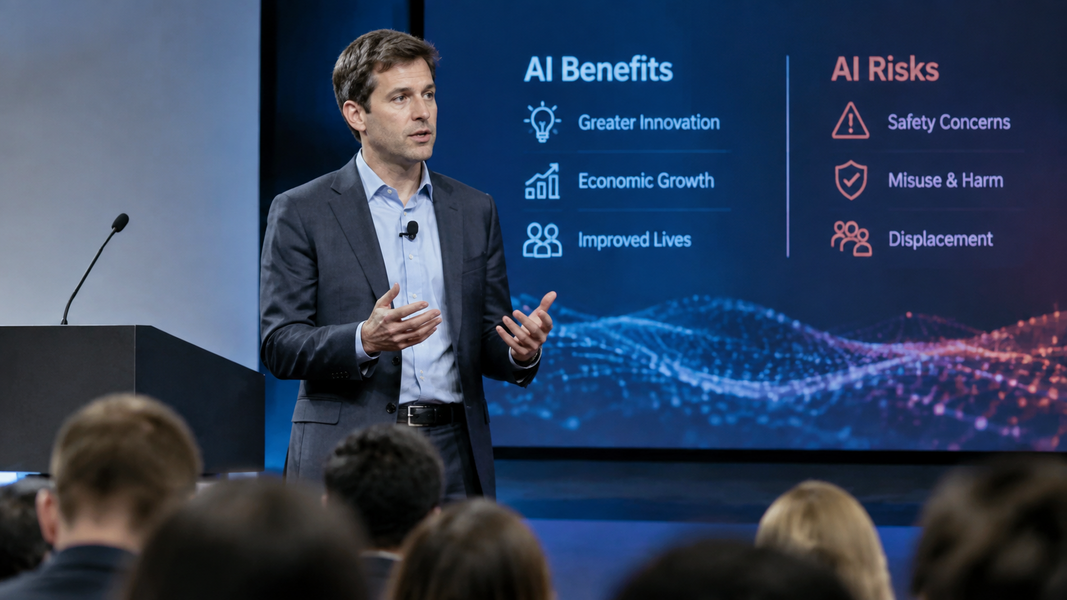
Understanding AI Benefits vs. Risks
The debate around AI risks often centers on several key concerns, including:
- Job Displacement: Automation may lead to significant shifts in labor markets. While some roles may be eliminated, new ones are likely to emerge as AI technology evolves.
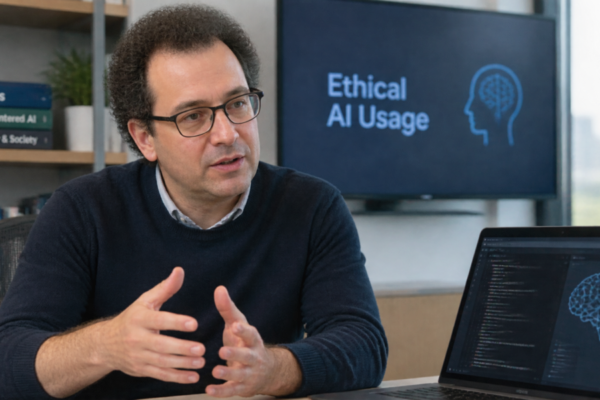
- Ethical Considerations: The implementation of AI raises a host of ethical questions surrounding privacy, bias, and accountability. Addressing these issues is paramount in the development cycle.
- Security Threats: As AI systems become more advanced, their potential misuse could pose serious security challenges.
However, Altman asserts that the potential benefits of AI, such as increased efficiency, innovation, and the ability to solve complex global issues, cannot be ignored. The crux of the argument is finding a middle ground where the embrace of AI’s promises does not come at the cost of ignoring its risks.
The Role of Technology Policy
As discussions about AI continue at national and organizational levels, Altman’s views bring to light the need for informed technology policy. Policymakers must navigate the intricate landscape of AI development without stifling innovation. Key considerations for crafting effective technology policy in relation to AI include:
- Regulatory Frameworks: Developing guidelines that manage AI risks while encouraging innovation is essential.
- Collaboration with Experts: Engaging with AI researchers, ethicists, and industry leaders can provide comprehensive insights that aid in responsible AI implementation.
- Public Engagement: Ensuring that the public is informed and involved in discussions about AI will foster greater transparency and trust.
What to Take Away
Sam Altman’s advocacy for accepting AI risks underscores a critical aspect of the ongoing AI evolution. Understanding that the journey towards a beneficial AI future involves acknowledging and managing risks can help shape a more informed approach among entrepreneurs, small business owners, and technology professionals.
By balancing innovation with caution, stakeholders can work towards harnessing AI’s full potential while ensuring ethical practices are prioritized.
Conclusion
In summary, Sam Altman argues for a proactive stance on AI risks, suggesting that the benefits outweigh potential downsides if approached with caution. As AI continues to play a central role in shaping the future, it is vital to engage in constructive dialogues about its implications and establish policies that balance development with oversight. This balanced perspective will be crucial for anyone invested in leveraging AI technology in their business or professional practices.