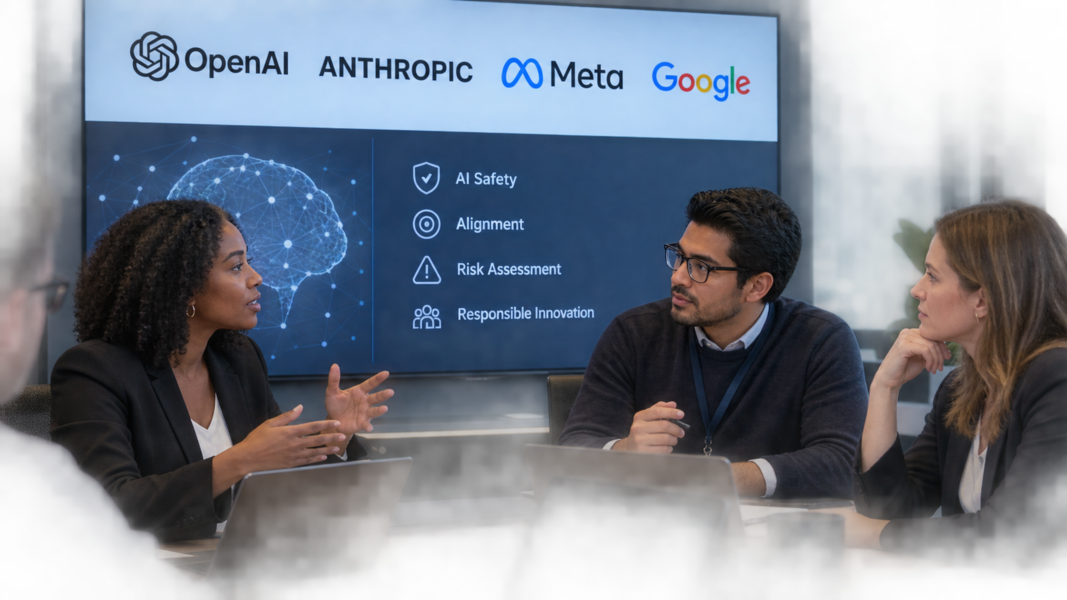
As artificial intelligence technology rapidly evolves, the leading players in the field—OpenAI, Anthropic, Meta, and Google—are grappling with pressing issues around AI safety. Recent discussions have brought to light concerns surrounding the potential risks associated with AI systems, which could have far-reaching impacts not just on technology but also on businesses that rely heavily on these innovations.
Understanding AI Safety
AI safety encompasses a range of practices aimed at ensuring that artificial intelligence systems operate safely and reliably. This is particularly important given that many businesses are increasingly integrating AI into their operations for efficiency, automation, and data-driven decision-making. However, without stringent safety protocols, the deployment of such technologies may lead to unintended consequences, raising significant concerns for companies and consumers alike.
The Role of Leading Tech Firms
The major players in the AI sector are addressing these concerns in various ways:
- OpenAI: Known for its conversational AI applications, OpenAI is actively pursuing safety protocols to mitigate risks associated with its models.
- Anthropic: This company is emphasizing alignment in AI systems, to ensure that technology aligns with human values and ethical considerations.
- Meta: Previously Facebook, Meta is focusing on responsible AI development and deployment to maintain user trust and safety.
- Google: As a long-standing leader in AI research, Google is prioritizing safety measures that align with its ethical AI principles.
Current Developments and Future Directions
While these firms are making strides, the ongoing discourse highlights that challenges remain. Each company is at different stages in implementing comprehensive safety measures, and there is no one-size-fits-all solution. The issue of regulation and industry standards is also becoming increasingly relevant. This environment of evolving technology necessitates that businesses stay informed about how these safety measures are developing.
Implications for Businesses
For small business owners, entrepreneurs, and tech professionals, understanding the commitment these companies are making to AI safety is vital. The reliability of AI systems will directly affect business operations. Here are a few points to consider:
- Integration of AI: Ensure that the AI technologies adopted are coming from companies that prioritize safety. This can help mitigate risks and enhance reliability.
- Awareness of Policies: Stay informed about the evolving policies and practices surrounding AI safety. This includes understanding how these measures could influence regulatory standards in the future.
- Consumer Trust: Businesses that are proactive in addressing AI safety concerns can bolster consumer confidence, making them more competitive in the market.
What You Should Know
As leading tech companies navigate the complexities of AI safety, the need for transparency and accountability becomes ever more pressing. Companies and consumers alike should be vigilant and informed about these developments. While current measures are promising, ongoing scrutiny and adaptation are necessary to ensure that the benefits of AI are realized without compromising safety.
Conclusion
In summary, the focus on AI safety by companies like OpenAI, Anthropic, Meta, and Google highlights a crucial step towards responsible AI deployment. Business leaders should monitor these developments closely, as the implications of AI safety extend beyond tech companies to affect the wider business landscape significantly. Understanding these changes can not only help mitigate risks but also offer opportunities for businesses ready to innovate safely.