
Introduction
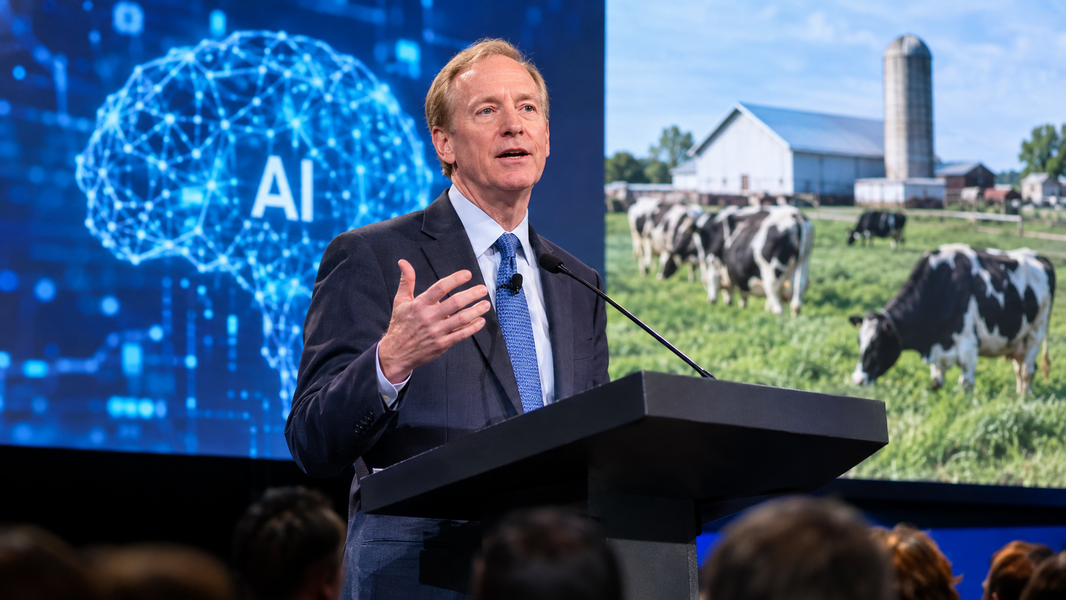
In a striking comparison, Microsoft’s President Brad Smith recently highlighted a significant gap in the regulatory landscape between artificial intelligence (AI) and more traditional sectors like the dairy industry. In a world where technology is evolving at breakneck speed, the conversation surrounding AI regulation has grown increasingly important, especially for businesses reliant on these technologies.
The Comparison between AI and Milk Regulation
During discussions about the role of governments in overseeing emerging technologies, Smith pointed out that AI is subject to far less stringent regulations compared to sectors such as dairy production. This observation raises important questions about the implications for consumer safety, ethical considerations, and market competitiveness.
Regulatory Landscape
Unlike the dairy industry, where producers must adhere to strict health guidelines, quality control measures, and safety standards, the AI sector is still developing its regulatory frameworks. The implications of this disparity are manifold:
- Consumer Protection: Milk regulations aim to ensure public health and prevent foodborne illnesses, while AI lacks a similarly robust set of standards.
- Market Dynamics: In sectors where regulations are minimal, companies may prioritize speed and innovation over compliance and ethical considerations. This could allow businesses to deploy AI technologies without fully considering the potential risks.
Why This Matters for Businesses
As AI continues to transform industries, the lack of robust regulations can create both opportunities and challenges for businesses:
- Opportunities for Innovation: Businesses may find themselves in a more permissive environment that allows for experimentation and rapid deployment of AI solutions.
- Risks of Unregulated Practices: Companies may inadvertently expose themselves to risks associated with unregulated AI use, including data privacy breaches or unintended consequences of automated decision-making.
- Future Regulatory Changes: As public concern over AI ethics and safety rises, future regulations could impose constraints on how businesses operate within this technology space. Companies must stay informed about emerging legislative trends that could impact their operations.
Current Developments and What to Watch
As discussions around AI regulation evolve, several developments merit attention:
- Call for Standards: Various stakeholders, including tech leaders, policymakers, and advocacy groups, are advocating for a more structured approach to governing AI technologies. This could range from ethical guidelines to formal regulatory frameworks.
- Comparison to Other Industries: Organizations are examining how regulatory approaches in other sectors, including healthcare and finance, could inform effective AI governance. The question remains: What lessons can be learned?
Conclusion
The statement by Microsoft’s President serves as a wake-up call for small business owners, entrepreneurs, and technology professionals. It underscores the urgent need for legislative frameworks that address the unique challenges posed by AI technologies while ensuring public safety and accountability. The ongoing discourse around AI regulation is crucial not only for compliance but also for shaping the landscape of future technological innovation. As businesses navigate this evolving space, understanding the implications will be key to thriving in a rapidly changing environment.