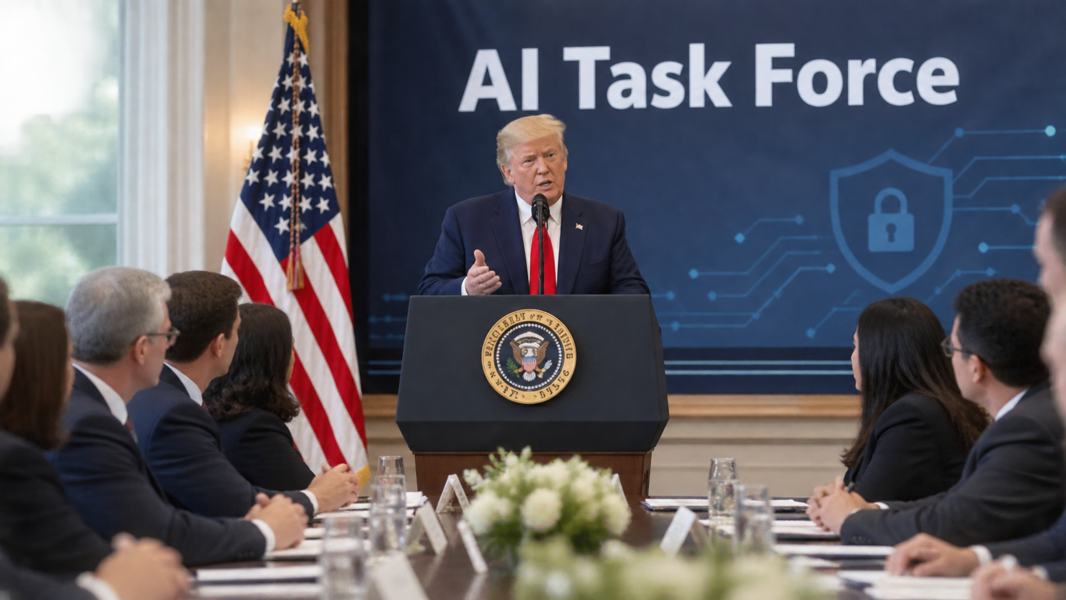
The Trump administration has initiated a focused effort to address the emerging risks posed by artificial intelligence (AI) through the establishment of the Trump AI Task Force. This initiative aims to commission a comprehensive report outlining the potential dangers associated with AI technologies, particularly concerning cybersecurity and biosecurity.
Understanding the Trump AI Task Force
AI technologies are rapidly evolving and have penetrated various sectors, leading to increasing concerns over their implications. Recognizing the need for a structured approach to managing these risks, the Trump AI Task Force is prioritizing the formulation of technology policy that will safeguard stakeholders while harnessing AI’s benefits.
Objectives of the Task Force
The primary goals of the Trump AI Task Force include:
- Assessing AI Risks: Identifying vulnerabilities and threats related to AI systems within different industries.
- Recommending Policy Changes: Offering actionable suggestions for policy adjustments that can alleviate identified risks.
- Promoting Cybersecurity: Emphasizing security measures that protect organizations and individuals from potential cyber threats arising from AI misuse.
- Addressing Biosecurity Concerns: Evaluating how AI impacts public health and safety, especially in pandemic situations.
Why This Matters for US Businesses
As AI applications become more ubiquitous, businesses across various sectors are increasingly affected by its implications. The report commissioned by the Trump AI Task Force will play a crucial role in guiding businesses, especially small and mid-sized enterprises, on how to navigate the evolving landscape of AI technologies.
For entrepreneurs and technology professionals, understanding these regulations will be essential for:
- Ensuring Compliance: Staying abreast of new policies will be necessary to avoid potential legal ramifications.
- Mitigating Risks: Businesses can better prepare for cybersecurity threats by implementing recommended practices.
- Leveraging Opportunities: By understanding the AI landscape, companies can strategically position themselves to innovate responsively.
Current Status and Next Steps
As of now, the specifics of the report—including timelines, methodologies, and key contributors—are not fully disclosed. The task force’s findings could significantly influence future technology policies in the United States and set a precedent for how AI is managed both in the public sector and within private enterprise.
What Should Readers Know?
While the task force has outlined its intentions to focus on the risks associated with AI, the information regarding the commission’s structure and the timeline for the report is still pending verification. Stakeholders should keep a close eye on developments to understand how these changes may impact their operations and strategic planning.
Conclusion
The formation of the Trump AI Task Force signifies a proactive step towards addressing the complex risks tied to artificial intelligence. By commissioning a report on AI risks, the task force aims to provide a foundation for informed policy decisions that harness AI safely and effectively. For US small business owners and technology professionals, staying informed about these developments is crucial as AI continues to reshape the landscape of commerce and cybersecurity.