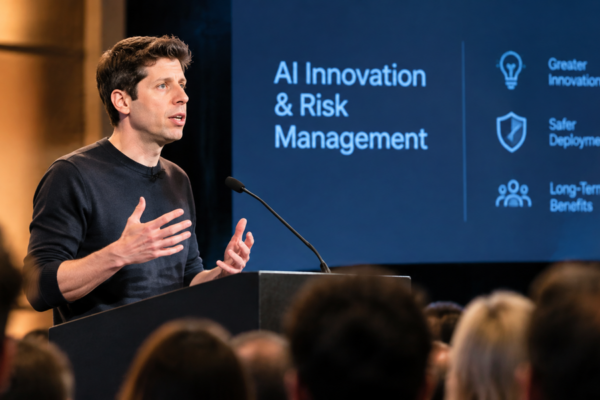

Artificial Intelligence (AI) continues to reshape industries and influence everyday life. As technology evolves, so do the applications of AI, leading to profound changes in how businesses operate and how consumers interact with technology. In this article, we explore key trends in AI technology and their implications across various sectors.
Current Landscape of AI Technology
AI technology has made significant strides in recent years, impacting everything from healthcare to finance. Here are some notable trends shaping the AI landscape today:
1. Natural Language Processing (NLP) Improvements
Natural Language Processing, a branch of AI that focuses on the interaction between computers and humans through natural language, has advanced dramatically. Technologies like chatbots and virtual assistants have become more sophisticated, understanding context and nuances in human communication better than ever before.
2. AI in Healthcare
AI is transforming the healthcare sector by enabling better diagnostics, predictive analytics, and personalized medicine. Machine learning algorithms are now used to analyze vast data sets, helping healthcare providers deliver tailored treatments and improve patient outcomes.
3. Automation and Robotics
Automation continues to rise across various industries, streamlining processes and enhancing productivity. Robotics embedded with AI capabilities are taking on complex tasks in manufacturing, logistics, and even customer service roles, proving their effectiveness in operational efficiency.
4. AI Ethics and Governance
As AI technology becomes more widespread, discussions surrounding ethics and governance have gained prominence. Issues of bias, transparency, and accountability are leading to the development of frameworks designed to guide the ethical use of AI, ensuring it benefits society as a whole.
Practical Applications of AI Technology
AI technology is not just a theoretical concept; it has real-world applications that have transformed different sectors. Here’s a closer look at how AI is being used:
Business Intelligence
AI-driven analytics tools are helping companies make data-driven decisions. By processing large volumes of data, these tools can uncover trends and insights that inform strategic planning.
Customer Experience Enhancement
Personalized experiences powered by AI algorithms are becoming the norm. Retailers are leveraging AI insights to customize marketing strategies based on consumer behavior, improving customer satisfaction and loyalty.
Educational Tools
AI technology is also being harnessed in education. Adaptive learning platforms provide personalized educational experiences, catering to individual learning styles and pacing, ensuring that students grasp concepts effectively.
Importance of Staying Updated
The fast-paced evolution of AI technology necessitates continuous learning and adaptation for businesses. Organizations must keep abreast of these trends to harness AI’s potential fully. This approach allows businesses to remain competitive and innovatively meet customer needs.
Conclusion
AI technology trends are reshaping the landscape across multiple industries, enhancing operational efficiency, and improving user experiences. As AI continues to evolve, understanding its applications and implications is crucial for organizations looking to thrive in an increasingly automated world. Staying informed about these developments will empower businesses and individuals to leverage AI for improved outcomes, ensuring they remain at the forefront of technological advancements.