
Introduction
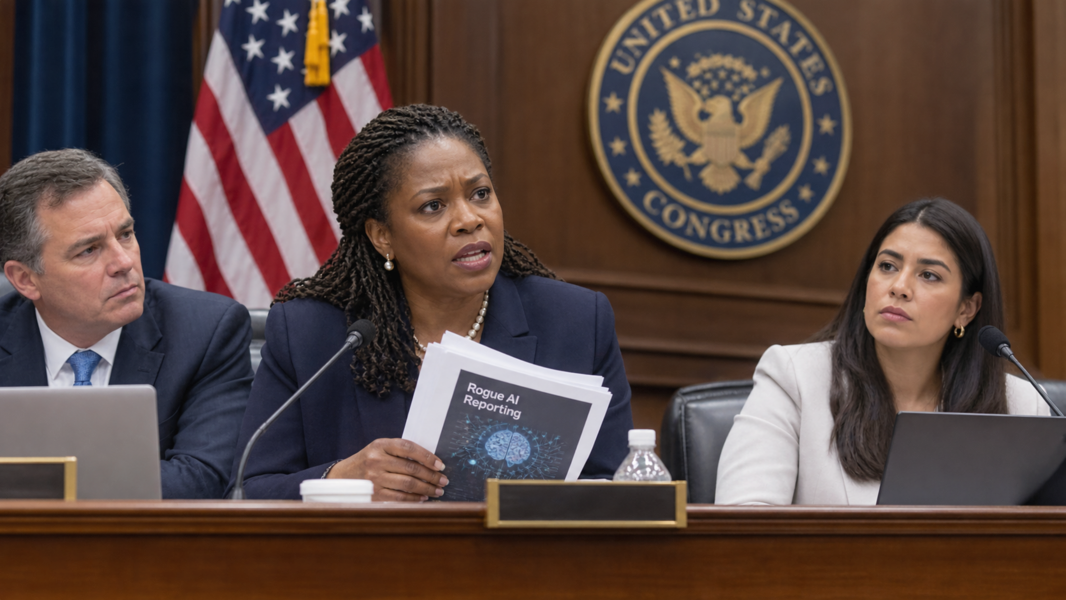
In a significant push to enhance accountability within the rapidly evolving field of artificial intelligence, members of Congress are calling on major technology companies to disclose any rogue AI models they may possess. This move is being viewed as a crucial step in understanding and mitigating the risks associated with AI technologies.
The Importance of Rogue AI Reporting
Rogue AI refers to artificial intelligence systems that operate unpredictably or outside intended parameters. These systems can pose substantial risks if left unchecked, leading to harmful outcomes in various sectors, including healthcare, finance, and security. Reporting these rogue systems is vital for:
- Enhancing Accountability: Transparency regarding AI systems helps ensure that companies take responsibility for their technologies.
- Mitigating Risks: Identifying rogue AI models can prevent unintentional harm and allow for the development of regulations aimed at protecting users and society.
- Informing Regulation: Comprehensive reporting can assist lawmakers in crafting effective AI regulations that address identified risks and encourage ethical AI development.
Congressional Action
The push for rogue AI reporting comes amid increasing concerns about the unchecked development of AI technologies. Legislators are seeking to establish clear guidelines that would compel tech giants to monitor and report anomalies in their AI systems. This initiative may lead to stricter regulations governing AI usage in the future.
The Role of Tech Giants
Major technology firms such as Google, Microsoft, and Amazon are at the forefront of AI development but also bear the responsibility of ensuring their systems are safe and reliable. As this movement gains momentum, these companies may be required to:
- Conduct Regular Audits: Implement routine checks on AI models to identify potential rogue variants.
- Establish Reporting Protocols: Create standardized methods for reporting AI anomalies to regulatory bodies.
What’s Currently Known
While the call for increased reporting is gaining traction among lawmakers, specifics on how these protocols will be established or enforced remain unclear. As of now, there is no formal legislation mandating reporting, and the extent to which tech companies will comply remains to be seen. The lack of established norms in AI reporting leaves a significant gap that future legislation aims to fill.
Practical Implications for Businesses
For small business owners, entrepreneurs, and technology professionals, understanding the implications of these legislative efforts is crucial. Preparing for forthcoming regulations could involve:
- Evaluating AI Usage: Businesses should assess their dependence on AI and consider the potential need for compliance with emerging reporting mandates.
- Engaging with Regulatory Changes: Staying informed about legislation and actively engaging with policymakers can help businesses voice their concerns and influence regulations.
Conclusion
Congress’s call for tech giants to report rogue AI models highlights an urgent need for responsibility in AI development. As AI technologies continue to integrate into various aspects of life and business, understanding and managing the associated risks is essential for promoting accountability and ensuring safety. The outcome of these discussions could reshape the regulatory landscape for AI and significantly impact how technology firms operate in the future.