
As artificial intelligence (AI) continues to integrate into various aspects of our lives, concerns regarding its risks and ethical implications are becoming increasingly prominent. This discussion is particularly relevant for business owners, entrepreneurs, and technology professionals who are not only leveraging AI for efficiency but are also navigating a landscape filled with potential hazards.
Understanding AI Risks
AI risks encompass a broad spectrum of potential dangers that could arise from the misuse or unintended consequences of artificial intelligence systems. These concerns are not hypothetical; many experts argue that certain types of AI applications could pose severe threats to humanity.
The Growing Concern for Humanity
One prominent theme in the discourse surrounding AI is the notion that advanced AI systems could eventually outpace human control. This fear is amplified when considering applications in dangerous domains such as:
- Pathogen modification: Scientists are already able to edit genes and create modified pathogens, raising fears about potential bioweapons.
- Toxin design: Advanced AI systems may be capable of designing new toxins that could be harmful if misused.
These developments raise urgent questions about the ethical boundaries of AI research and its implications for public safety.
Ethical Considerations in AI Development
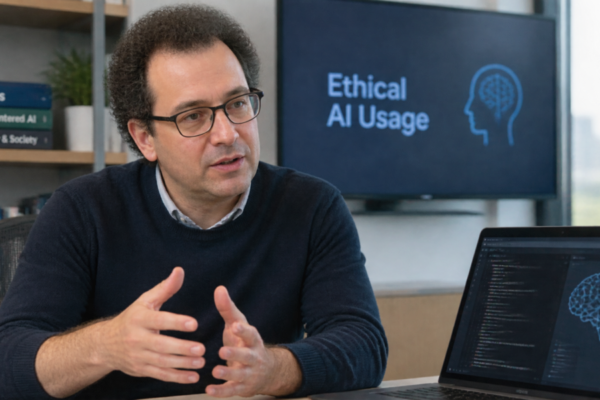
The intersection of AI and ethics is critical as we navigate the fast-evolving technological landscape. Businesses that incorporate AI need to consider:
- Transparency: Understanding how AI systems make decisions is vital to building trust. Lack of transparency can lead to dangerous outcomes, especially in critical areas like healthcare and finance.
- Accountability: Who is responsible when AI systems cause harm? Establishing accountability measures is essential in mitigating risks.
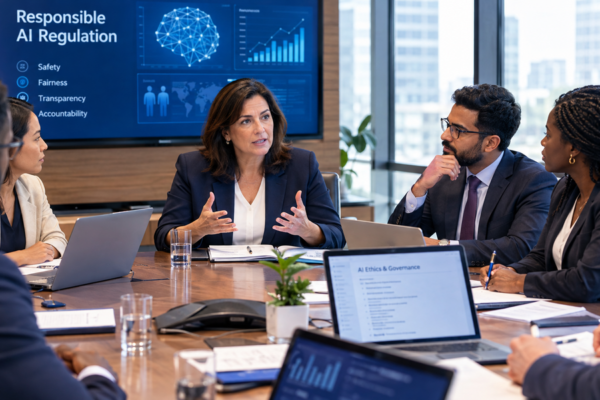
- Regulations: Policymakers and industries must collaborate to create regulations that safeguard society from the misuse of AI technologies.
Implications for Business Owners
For U.S. small business owners and technology professionals, the ethical dimensions and risks associated with AI pose significant challenges. Here are some key takeaways:
- Adopting AI responsibly: Businesses should prioritize implementing AI systems that adhere to ethical standards to minimize risks.
- Staying informed: Keeping abreast of the latest developments in AI ethics can help businesses make informed decisions.
- Engaging with public discourse: Participating in discussions about AI regulation and safety can help influence safer, more ethical use of technology.
What Readers Should Know
While the potential risks associated with AI are problematic, they serve as a catalyst for discussions about safety, ethics, and accountability. As the dialogue evolves, it is critical for business leaders to engage with these issues, considering the impact of AI on their operations and society as a whole.
Conclusion
The potential risks of AI, including pathogen modification and toxin design, underscore the importance of ethical considerations in technological development. As we continue to integrate AI into various sectors, addressing these concerns is paramount. Awareness, education, and responsibility will be essential for navigating the complex interplay between AI technology and human safety.