Introduction
As artificial intelligence (AI) technologies continue to transform various industries, the question of copyright and fair use becomes increasingly prominent. The ongoing debate surrounding fair use in AI training raises essential considerations for businesses, particularly those leveraging AI in their operations. Understanding this legal framework is vital as it impacts everything from content creation to product development.
What is Fair Use?
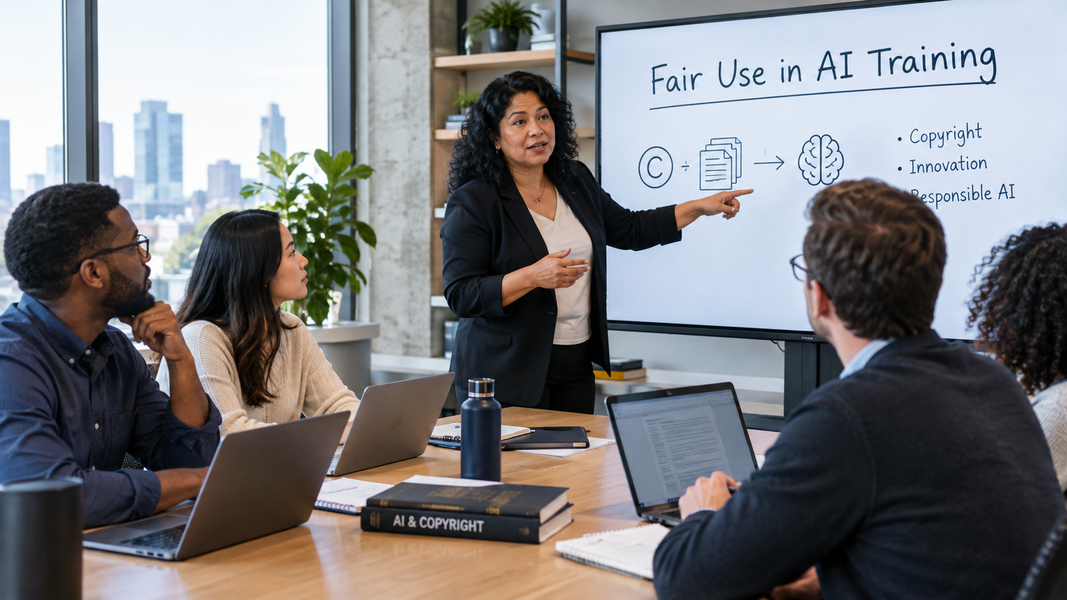
Fair use is a legal doctrine in copyright law that permits limited use of copyrighted material without permission from the rights holder. The doctrine serves as a critical balancing act, allowing creativity and innovation while respecting the rights of original creators. In the context of AI training, fair use is particularly significant, as many machine learning models depend on vast datasets often derived from copyrighted works.
Key Factors of Fair Use
The determination of fair use typically considers four factors: 1. Purpose and Character of Use: Non-commercial uses and transformative works are often favored. 2. Nature of the Copyrighted Work: Use of factual works is more likely to qualify as fair use compared to creative works. 3. Amount and Substantiality: Using smaller amounts of a work may more likely be considered fair, especially if it does not capture the essence of the work. 4. Effect on the Market: If the use does not negatively impact the market for the original work, it is more likely to be deemed fair.
The Role of Fair Use in AI Training
The reliance of AI models on massive datasets for training presents both opportunities and challenges concerning copyright law. Companies like OpenAI have used diverse internet data, which may include copyrighted content, to train their systems. The applicability of fair use in such scenarios can significantly influence how businesses operate in the AI landscape.
Why It Matters for Businesses
Understanding the intricacies of fair use is crucial for small business owners, entrepreneurs, and marketers as they navigate the complexities of AI integration. Key reasons include:
- Legal Protection: Awareness of fair use can safeguard businesses against potential copyright infringement claims.
- Innovation: Businesses that understand fair use can harness AI technologies to enhance services and products without overstepping legal boundaries.
- Competitive Advantage: Mastering the use of AI within the limits of fair use may provide businesses with a unique edge in their markets.
Challenges and Considerations
Despite the potential benefits, businesses must proceed with caution when utilizing AI-driven technologies. Challenges include:
- Uncertain Legal Landscape: The interpretation of fair use in the context of AI remains limited, and ongoing litigation may shape its future.
- Ethical Considerations: Navigating the ethical implications of using copyrighted material is essential, particularly concerning the rights of content creators.
- Evolving Regulations: Businesses should stay informed about changes in copyright law that may affect AI training and usage.
Conclusion
The intersection of fair use and AI training highlights a significant area of concern for businesses in the U.S. As technology evolves, so must our understanding of legal frameworks governing content use. Recognizing the nuances of fair use can empower businesses to utilize AI responsibly while fostering innovation. As we continue to explore these critical issues, embracing both the challenges and opportunities will be key to success in the ever-evolving tech landscape.