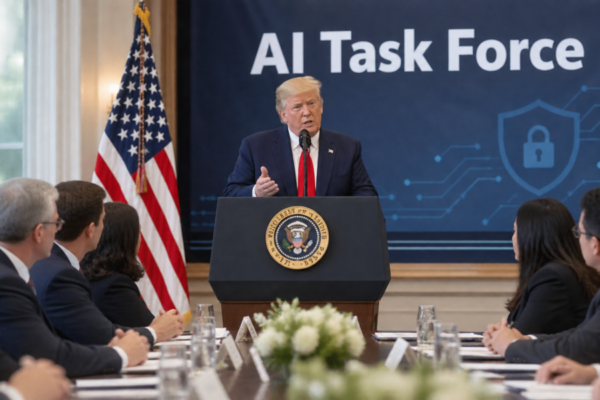

In a significant development for the landscape of technology and business in the United States, former President Donald Trump and several prominent artificial intelligence (AI) companies have signed a ‘morally binding’ agreement aimed at outlining guidelines for AI regulation. This agreement comes amidst growing concerns over the responsibilities of AI developers and the ethical implications of artificial intelligence technologies.
What the Agreement Entails
The agreement emphasizes collaboration between the AI sector and regulatory bodies to establish ethical practices that govern the development and implementation of AI technologies. Supported by a range of AI companies, this initiative aims to create a framework that ensures safety, transparency, and accountability in AI advancements.
Key aspects of the agreement include:
- Commitment to Ethical Practices: Companies are encouraged to prioritize ethical considerations in their AI deployments.
- Transparency in AI Models: There is a push for clear reporting mechanisms that would allow for scrutiny of AI systems to prevent misuse.
- Public Engagement: The agreement also calls for increased dialogue with the public and stakeholders about the implications of AI technologies.
Why This Matters
This development is noteworthy for several reasons:
- Impact on Regulation: The agreement could serve as a precursor to more structured regulations governing AI technologies in the U.S.
- Industry Confidence: By committing to established guidelines, AI companies may instill greater confidence in their technologies among consumers and businesses alike.
- Ethics and Responsibility: Emphasizing a morally binding commitment underscores the importance of ethical considerations in technology development, particularly as AI continues to evolve rapidly.
Current Understanding and Next Steps
The specifics related to the implementation of this agreement and its long-term impact on the regulatory landscape are still being evaluated. Questions remain about how these guidelines will be enforced and whether they will influence existing regulatory frameworks or lead to new regulations.
Practical Implications for Businesses
For small business owners, entrepreneurs, and technology professionals in the U.S., this agreement could potentially reshape the environment in which AI operates. Here are some practical considerations:
- Compliance Preparedness: Businesses may need to adapt to new standards and practices as they emerge from this agreement.
- Adoption of Ethical AI: Embracing ethical AI practices may become a competitive advantage in attracting customers and investors.
- Engagement with Regulatory Changes: Companies should be proactive in engaging with any new regulatory developments that stem from the agreement.
Conclusion
The AI Regulation Agreement signed by Trump and leading AI firms represents a notable shift toward establishing a framework for responsible AI technology deployment. While the full implications of this agreement are yet to unfold, it signals a proactive approach toward addressing the ethical and regulatory challenges posed by AI, impacting not only technology developers but also the broader landscape of U.S. businesses and consumers.