As the proliferation of artificial intelligence (AI) technologies becomes more intertwined with everyday life, California lawmakers are taking a closer look at new regulations aimed at enhancing AI safety. With rising concerns about the potential risks associated with AI-driven systems, these legislative efforts may significantly influence the way AI technologies are developed and utilized within businesses and society at large.
The Growing Need for AI Safety Regulations
In recent years, the rapid advancement of AI capabilities has raised alarms regarding various issues, including privacy concerns, biased algorithms, and the ethical implications of autonomous decision-making. California, being a hub for technology and innovation, is at the forefront of these discussions. Lawmakers argue that without adequate governance, AI technologies could lead to unintended consequences that affect both individuals and enterprises.
The discussions among California legislators center on the formulation of AI safety regulations that could offer a framework to ensure responsible AI deployment. By establishing clear guidelines, the aim is to mitigate potential risks while fostering innovation and development within the industry.
What the Proposed Regulations Could Entail
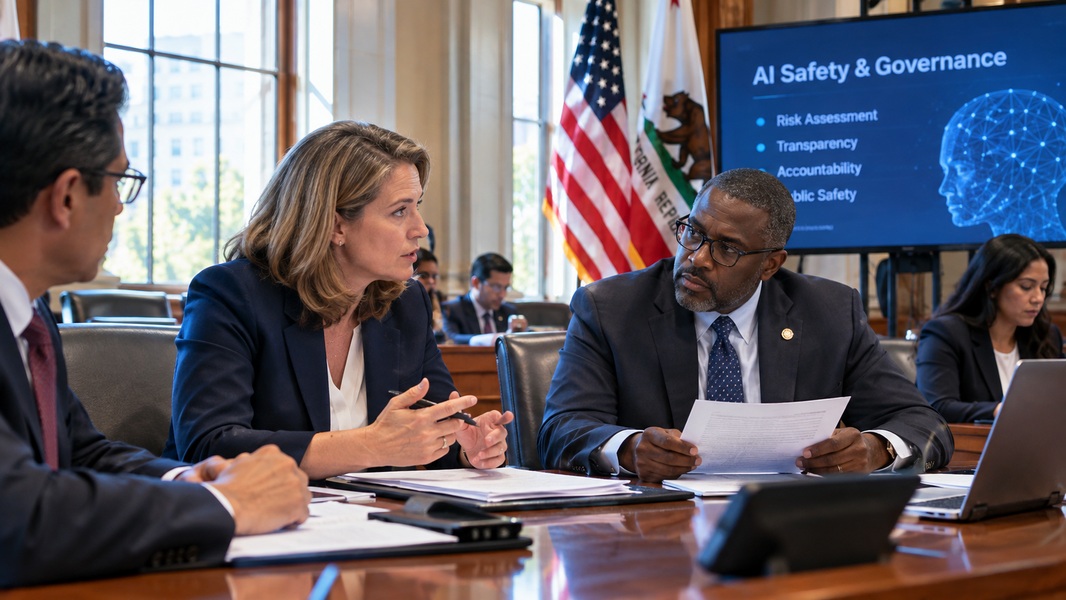
While specific details of the proposed regulations are still being discussed, several key areas of focus have emerged:
- Transparency: Mandating that AI systems disclose their data usage and decision-making processes to ensure users understand how these technologies function.
- Accountability: Implementing standards for entities that develop and deploy AI systems to make them answerable for the impacts of their technologies.
- Risk Assessment: Requiring businesses to conduct impact assessments on their AI systems to evaluate potential risks before implementation.
Business Impact of AI Regulations
For many small business owners and entrepreneurs relying on AI technologies, the proposed regulations could create both challenges and opportunities. On one hand, compliance with new regulations may result in increased operational costs, particularly for smaller firms that may lack the resources to navigate complex regulatory landscapes. On the other hand, fostering a safer environment for AI could build consumer trust and pave the way for broader adoption of AI-driven solutions.
Additionally, businesses that adapt to these regulations may find themselves at a competitive advantage, showcasing a commitment to ethical AI practices that align with consumer expectations.
Current Status and Next Steps
As California lawmakers continue to refine their approach to AI safety regulations, there is considerable interest in how these developments will unfold. Stakeholders from various sectors, including technology, business, and civil rights organizations, are closely monitoring the situation.
However, many specifics of the regulations are still under discussion and may change as lawmakers gather input from industry experts and the public. This highlights the importance of ongoing dialogue surrounding the governance of AI technologies to balance innovation with safety considerations.
Conclusion
The movement towards establishing AI safety regulations in California reflects a growing recognition of the need for oversight in an era increasingly defined by artificial intelligence. As these discussions progress, the implications for businesses reliant on AI technologies could be significant, impacting everything from operational practices to consumer confidence. Business owners and leaders should stay informed about the developments of these regulations to better navigate the future landscape of AI governance in California.