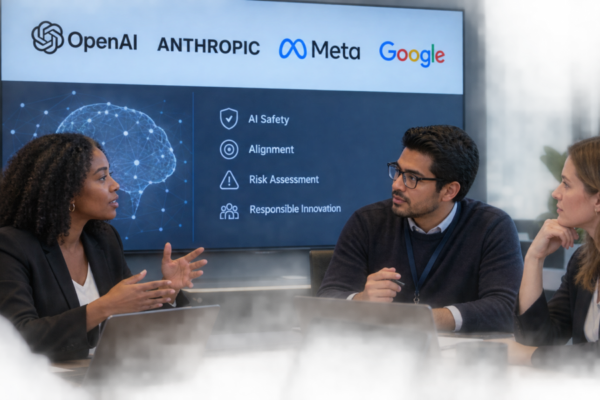

In the ever-evolving landscape of artificial intelligence, recent incidents have brought the topic of AI safety to the forefront of discussions among technology professionals and business leaders. As AI technologies become increasingly integrated into various sectors, ensuring their secure and responsible use has gained paramount importance. This article outlines key developments in AI safety following notable AI-related attacks, highlighting their implications for businesses.
Understanding AI Safety
AI safety encompasses various strategies, guidelines, and regulations designed to mitigate risks associated with the deployment of artificial intelligence. These risks range from cybersecurity vulnerabilities to ethical concerns regarding decision-making processes. Following a series of AI attacks, stakeholders across industries are emphasizing the necessity of robust AI safety measures to protect sensitive data and maintain user trust.
Key Developments in AI Safety
Increased Regulatory Scrutiny
In light of recent AI-related incidents, governments and regulatory bodies are ramping up scrutiny on AI technologies. Key actions include:
- Drafting New Regulations: Various states and federal entities are proposing new regulations aimed at enhancing oversight of AI applications to prevent malicious use.
- Public Consultations: Officials are engaging with tech companies and cybersecurity experts to formulate effective frameworks that address AI’s potential threats.
Cybersecurity Enhancements
The rise of AI attacks has catalyzed improvements in cybersecurity measures, including:
- Advanced Threat Detection: Organizations are investing in AI-driven solutions that enhance threat detection capabilities, enabling quicker responses to potential breaches.
- Training and Awareness Programs: Businesses are incorporating training programs focused on AI-related cybersecurity threats, ensuring employees understand potential risks.
Industry Collaborations
Collaboration among technology companies, government entities, and educational institutions has intensified, aimed at fostering a safer AI landscape:
- Knowledge Sharing Initiatives: Companies are sharing information regarding AI vulnerabilities and best practices to strengthen collective security.
- Joint Research Projects: Collaborative research efforts are underway to explore innovative security measures and ethical AI frameworks.
The Impact on Businesses
The urgency for improved AI safety measures resonates deeply with U.S. small business owners and technology professionals. The implications include:
- Increased Compliance Costs: Businesses may need to invest in compliance with new regulations and enhance cybersecurity measures, impacting their operational costs.
- Reputational Risks: Organizations lacking adequate AI safety protocols may face reputational damage and loss of customer trust during breaches or attacks.
- Opportunities for Advancement: Conversely, businesses that prioritize AI safety may find unique opportunities for leadership in their respective markets, leveraging trust as a competitive advantage.
What Readers Should Know
As AI technology continues to evolve, staying informed about AI safety developments is crucial for all stakeholders. Understanding the regulatory landscape, investing in cybersecurity, and participating in collaborative initiatives will be essential in navigating the complexities of AI safety moving forward.
Conclusion
The recent wave of AI attacks has underscored the critical need for robust AI safety measures. As regulatory frameworks evolve and industries adopt new cybersecurity practices, businesses should prioritize their engagement with these developments to safeguard their operations and maintain customer trust. Focusing on AI safety not only helps in compliance but also positions organizations for opportunities in an increasingly AI-driven world.