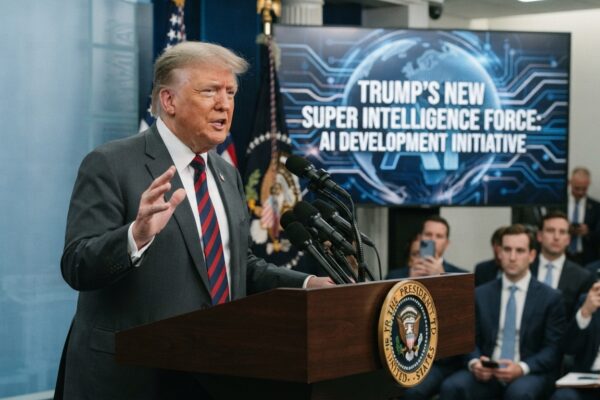
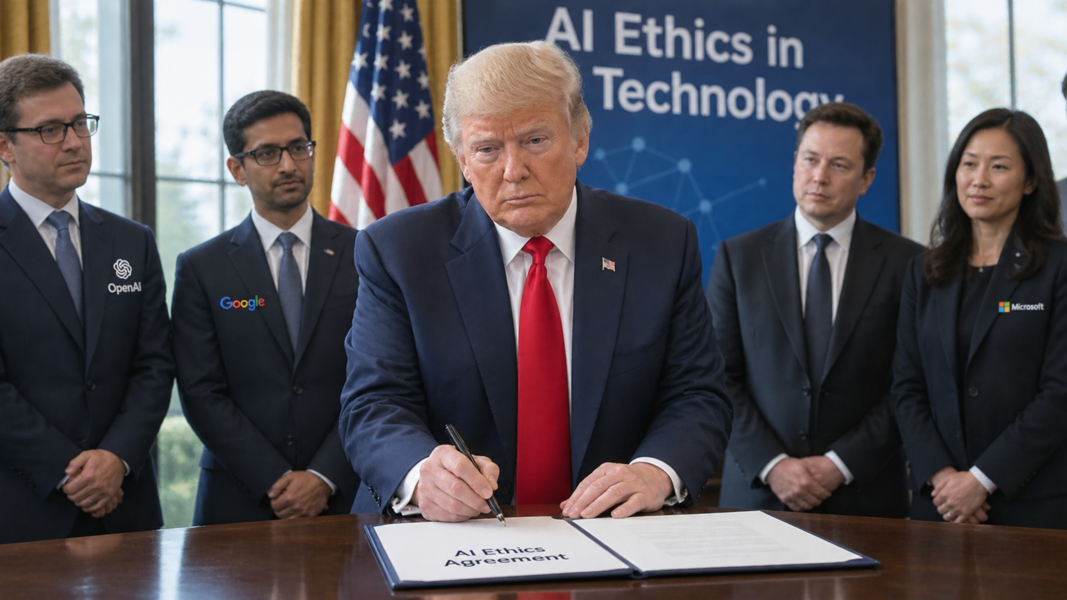
In a significant move for the technology landscape, former President Donald Trump is set to sign a morally binding agreement with several prominent AI companies. This agreement aims to establish ethical guidelines for AI development and deployment, addressing increasing concerns about the impact of artificial intelligence on society.
Understanding the AI Ethics Agreement
The AI ethics agreement represents an effort to tackle the ethical dilemmas posed by advancements in AI technologies. As AI continues to evolve and integrate into various sectors, ensuring responsible use has become a priority for policymakers and industry leaders alike.
What the Agreement Entails
While specific details of the agreement are still under wraps, key objectives include:
- Establishing ethical standards: The agreement aims to set baseline ethical standards that AI companies must adhere to in their research and development processes.
- Promoting transparency: Companies are expected to disclose the methods and data used in their AI systems, ensuring accountability and fostering trust among users.
- Encouraging collaboration: The framework encourages collaboration between AI developers, academic institutions, and regulatory bodies to foster responsible innovation.
Why This Matter
The signing of this agreement underscores the urgency of addressing ethical considerations in AI. As businesses increasingly rely on AI technologies, the need for robust regulations is becoming increasingly clear. This initiative is expected to impact various sectors, including finance, healthcare, and retail, where AI applications are rapidly growing.
Current Developments
While the framework is poised to initiate a new chapter in AI governance, several aspects of the agreement require verification. It remains to be seen how enforceable the agreement will be and what repercussions will exist for companies that fail to comply with the established ethical guidelines.
Practical Implications for Businesses
For US small business owners, entrepreneurs, and technology professionals, the AI ethics agreement may lead to immediate implications:
- Compliance Requirements: Companies may need to invest in compliance measures to align with the new ethical standards.
- Training Programs: Businesses might also need to implement training for their teams regarding ethical AI use and practices.
- Potential Liability: Failure to adhere to the guidelines could expose businesses to legal liability, emphasizing the importance of understanding the terms outlined in the agreement.
Conclusion
The upcoming signing of the morally binding AI ethics agreement highlights a critical step towards fostering responsible AI use in the United States. As both the government and private sector navigate the complexities of AI technology, this agreement may pave the way for increased accountability and ethical standards. As new details emerge, stakeholders will need to stay informed about the agreement’s implications and prepare for potential compliance challenges ahead.