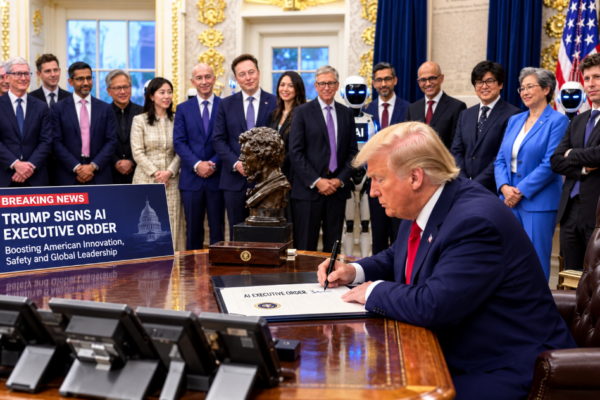

The rapid advancement of artificial intelligence (AI) technologies has sparked significant discussions around their regulation in the United States. As AI systems become increasingly integrated into various sectors, the need for effective governance and oversight has become paramount. This article delves into the current landscape of AI regulation, highlighting key developments and their implications for both businesses and policymakers.
The Growing Importance of AI Regulation
AI technologies are being adopted across numerous industries, from healthcare to finance, improving efficiency and innovation. However, this rapid adoption raises critical concerns regarding privacy, security, and ethical implications. As more companies leverage AI for decision-making, the potential for bias and discrimination remains a pressing issue. Consequently, effective regulation is essential to ensure that these technologies are developed and implemented responsibly.
Key Developments in AI Regulation
Several actions have emerged in recent years as part of the U.S.’s approach to regulate AI. Here are some significant initiatives:
Federal Initiatives
- The National Artificial Intelligence Initiative Act (NAIIA): This act was signed into law to promote and advance AI research and development across the nation. It aims to foster cooperation between federal agencies and emphasize the importance of ethical AI use.
- The White House’s Blueprint for an AI Bill of Rights: This document outlines essential rights that should be protected in the deployment of AI technologies, such as the right to safety and privacy.
State-Level Actions
States are also taking the initiative to regulate AI, focusing on more localized issues:
- California’s Consumer Privacy Act (CCPA): Although not specifically an AI regulation, the CCPA impacts how AI systems can collect and process personal data, emphasizing consumer rights and transparency.
- Illinois’ Artificial Intelligence Video Interview Act: This law requires businesses to notify applicants when AI is used in video interviews and to obtain consent, ensuring transparency in AI-driven hiring processes.
Implications for Businesses and Policymakers
As regulations evolve, businesses must adapt their AI strategies to align with emerging legal frameworks. Key implications include:
- Compliance Costs: Organizations will incur costs related to compliance with regulations, necessitating investment in legal and technical resources.
- Innovation Constraints: While regulation can provide a framework for ethical AI use, overly stringent guidelines may hinder innovation and the development of new AI technologies.
- Public Trust: Effective regulation can enhance public trust in AI by ensuring transparency and fairness, ultimately encouraging wider adoption of AI solutions.
What Readers Should Know
- Awareness of Regulatory Changes: It is crucial for businesses utilizing AI technologies to stay informed about regulatory changes at both state and federal levels to avoid penalties and ensure compliance.
- Focus on Ethical Development: The emphasis on ethical AI development highlights the necessity for organizations to integrate responsible practices into their AI strategies.
- Collaborative Efforts: Policymakers and businesses must collaborate to develop regulations that balance innovation with the need for safety and fairness in AI technologies.
Conclusion
The current landscape of AI regulation in the United States is characterized by a combination of federal and state initiatives aimed at fostering responsible AI use. As the technology continues to evolve, the regulatory framework will likely adapt to address emerging challenges. Understanding these developments is essential for businesses and policymakers committed to leveraging AI responsibly while safeguarding public interests.